

With the continued advancement of manufacturing industries towards greater accuracy, efficiency, and automation, manufacturers are now dealing with increasing demands for metal parts manufacturing. In sectors like automobiles, electronics, medical devices, and industrial manufacturing, finding a technique that is capable of ensuring quality at low cost has been one of the most significant challenges.
Among various metal forming technologies, progressive metal stamping has become an important solution for precision metal part manufacturing due to its continuous production capability, high efficiency, and excellent consistency. This process makes use of high-end design tooling systems and automated systems to produce complex parts on a large scale with consistency.
1. What Is Progressive Metal Stamping?
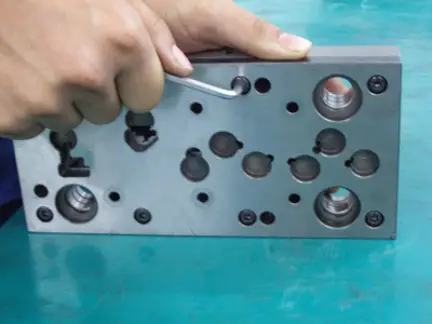
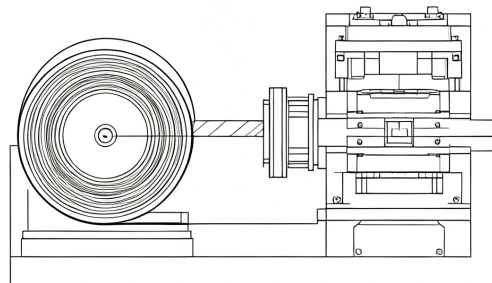
The progressive metal stamping process is a modern manufacturing process that involves the use of a continuous die system where metal sheets or strips are turned into component parts. While the traditional stamping process makes use of separate dies for performing individual operations, the progressive stamping process has a single die with multiple stations.
Common operations include:
- Piercing
- Bending
- Forming
- Drawing
- Cutting and separation
During the process, the strip of metal goes through the die continuously at a set pitch. With every press stroke, the material moves to the next station, and the next forming operation takes place. The end result will be a finished part that comes out automatically after the strip runs through all the stations.
Progressive stamping makes for an efficient process that cuts down on the need for manual labor and maintains consistency in production.
2. What Are the Main Advantages of Progressive Metal Stamping?
Greater Production Efficiency by Continuous Production
Among other great benefits offered by progressive metal stamping, it is possible to mention the potential to ensure continuous production at high speeds. Because all operations are performed in a single die, there is no need to transport the parts to different machines or make positioning adjustments.
In combination with high-speed presses and automatic feeding systems, some sophisticated stamping lines are able to operate with hundreds of stamping cycles per minute. Some high-speed production systems are able to work up to 300 to 1,000 strokes per minute.
This efficient manufacturing method helps companies:
- Shorten production cycles
- Increase output capacity
- Reduce manual labor requirements
In the case of manufacturing automotive parts, electronics terminals, and precision hardware parts, high-speed manufacturing capability can help in meeting strict supply demands.
Lower Long-Term Manufacturing Costs
While the upfront investment in die design and tooling may be more expensive, progressive metal stamping may have many cost benefits over the life of the project.
The main reasons include:
- Reduced labor involvement
- Fewer production steps
- Higher automation levels
- Lower repeated processing costs
As a result, the investment in dies could be shared over many parts per year, which leads to lower costs of production for every single part. Consequently, progressive stamping is highly recommended for those projects where the design is fixed, and volumes of production are rather high.
Improved Precision and Product Consistency
Precision manufacturing needs to have consistent dimensions during the manufacturing process to ensure high performance and quality.
With a fixed die structure and controlled production process, progressive metal stamping can significantly reduce variations caused by manual operations. The manufacturer will be able to maintain consistent dimensions from one production batch to another.
Key benefits include:
- More stable dimensional tolerances
- Reduced differences between individual parts
- Fewer assembly-related issues
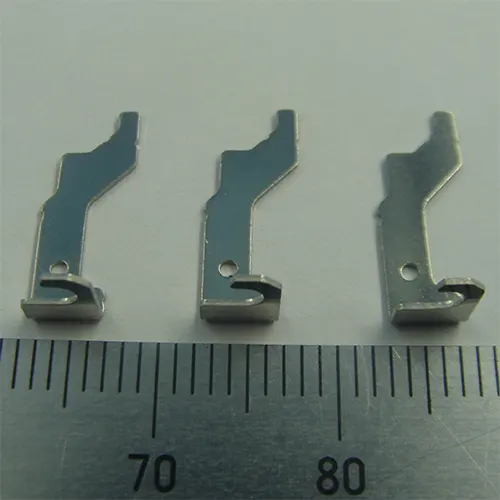
Manufacturing consistency will assist in the manufacture of various parts such as automobile sensors, electrical terminals, and precision springs made of metal.
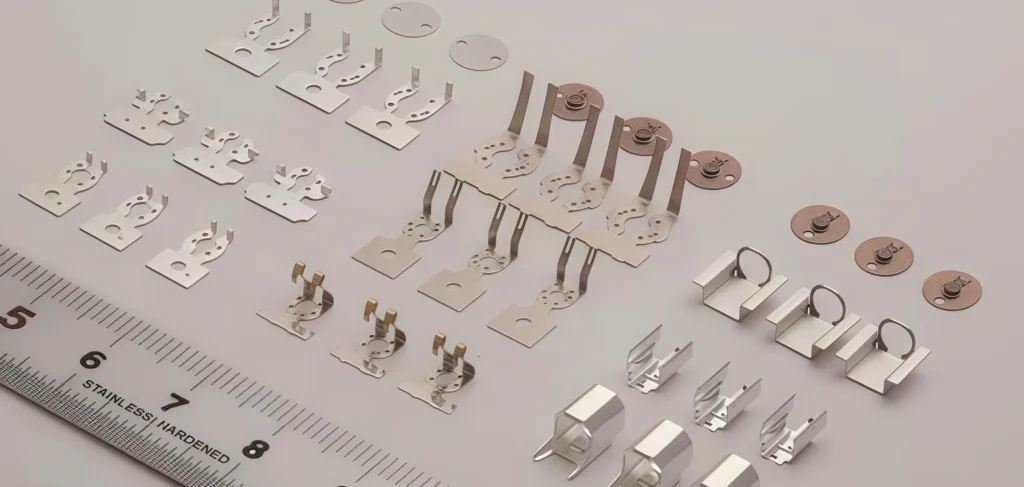
Ability to Produce Complex Components in One Process
Modern industries increasingly require metal components with more complex structures. Traditional stamping methods may require multiple machines and separate processing steps to complete the same part.
With advanced progressive die designs, multiple operations can be integrated into one production process, including:
- Piercing
- Bending
- Embossing
- Forming
This integrated approach reduces production procedures and minimizes positioning errors caused by transferring parts between different machines.
As a result, progressive stamping is highly effective for producing complex components that require both structural accuracy and manufacturing efficiency.
Better Material Utilization and Reduced Waste
Material cost represents a significant portion of metal stamping production expenses. Improving material utilization is therefore an important factor in controlling overall manufacturing costs.
Through optimized die layouts and strip designs, progressive metal stamping can maximize raw material usage and reduce unnecessary scrap.
For materials such as copper, stainless steel, and aluminum, even a small improvement in material efficiency can create considerable savings in high-volume production.
In addition, better material utilization supports modern manufacturing goals by reducing waste and promoting more sustainable production practices.
3. Which Industries Benefit Most from Progressive Metal Stamping?
Automotive Industry
The automotive sector is one of the major application areas for progressive stamping technology.
With the rapid development of electric vehicles and intelligent automotive systems, manufacturers require large quantities of precision metal components, such as:
- Battery connectors
- Automotive terminals
- Sensor components
- Electrical structural parts
These components require stable supply, accurate dimensions, and reliable performance. Progressive stamping helps automotive manufacturers achieve efficient mass production while maintaining strict quality standards.
Electronics and Electrical Industry
Electronic products are becoming smaller and more sophisticated, creating higher requirements for metal component precision.
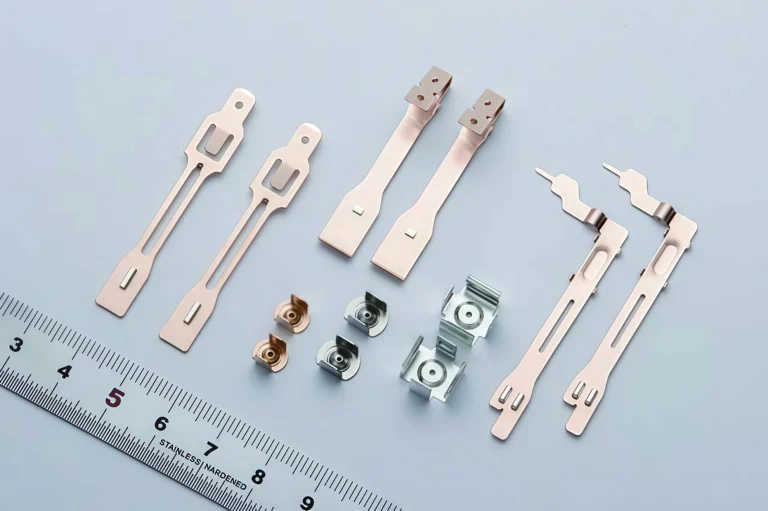
Progressive metal stamping is capable of producing thin, complex parts while maintaining consistent dimensional accuracy.
Typical applications include:
- Electronic connectors
- Metal shielding components
- Conductive contacts
- Precision spring parts
Through automated production processes, manufacturers can ensure that large quantities of components maintain consistent performance.
Medical Equipment Industry
Medical equipment requires highly reliable components with strict quality requirements. Many medical devices rely on precision metal parts that must maintain stable performance over long-term use.
Progressive stamping can be applied to produce:
- Medical device metal components
- Precision support parts
- Small structural components
Its high consistency and controlled manufacturing process help meet the reliability requirements of the medical industry.
Industrial Equipment Industry
Industrial equipment often requires durable and stable metal components for long-term operation.
Common applications include:
- Metal brackets
- Structural connectors
- Internal equipment components
Through efficient production and strict quality control, progressive stamping provides reliable manufacturing solutions for industrial equipment suppliers.
Conclusion
As a result of its many benefits, which include high efficiency, good precision, reduced production cost, and the capability of producing complicated parts, progressive metal stamping has emerged as a useful answer to precision manufacturing.
Hashimoto Precision offers professional precision stamping services in order to assist our customers with manufacturing services. In case of any inquiry regarding progressive stamping projects, feel free to contact us. We will provide professional assistance as per your requirements.