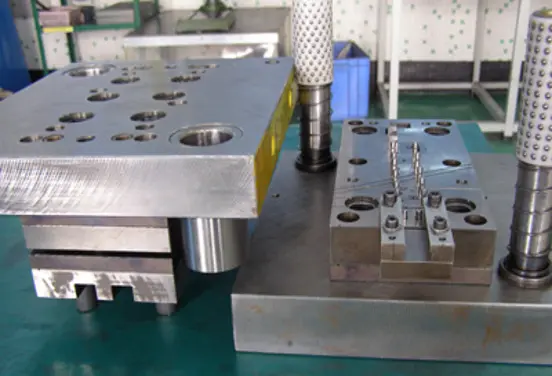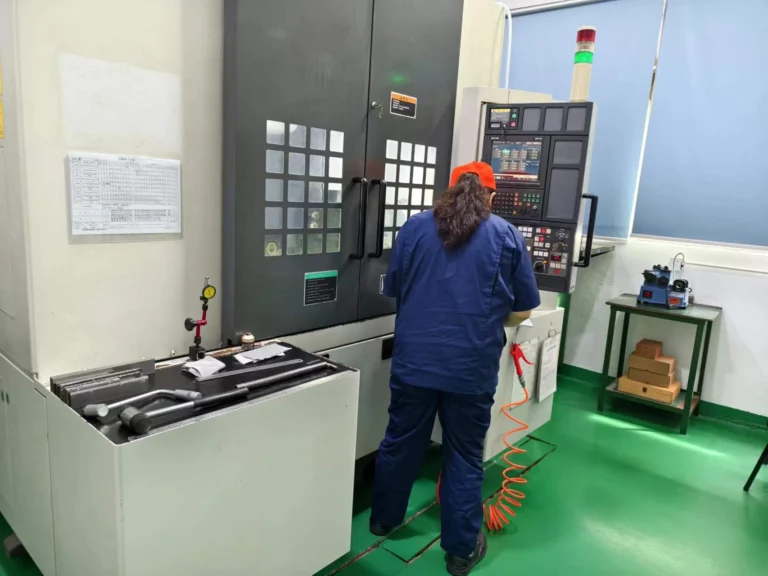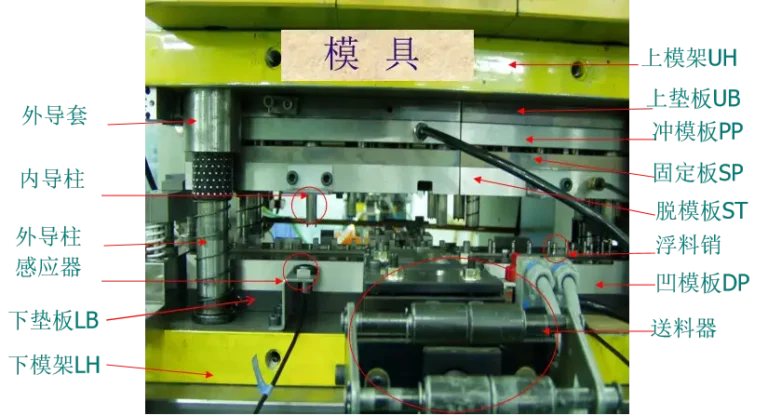


The global metal stamping industry is an invaluable pillar in the modern manufacturing industry, where metal sheets are fabricated into precision parts in a remarkably rapid and structurally consistent manner. Based on the numbers from industrial markets, the Global Metal Stamping Industry has already reached a value of more than $220 billion by 2025, with a consistent compound annual growth rate (CAGR) of 4.2% going forward up to 2030. In everything from ultra-thin electrical connections to huge chassis components used in automobiles, cold and hot stamping processes play an important part in manufacturing efficiency. It is essential to determine the industries responsible for the largest demand volumes.
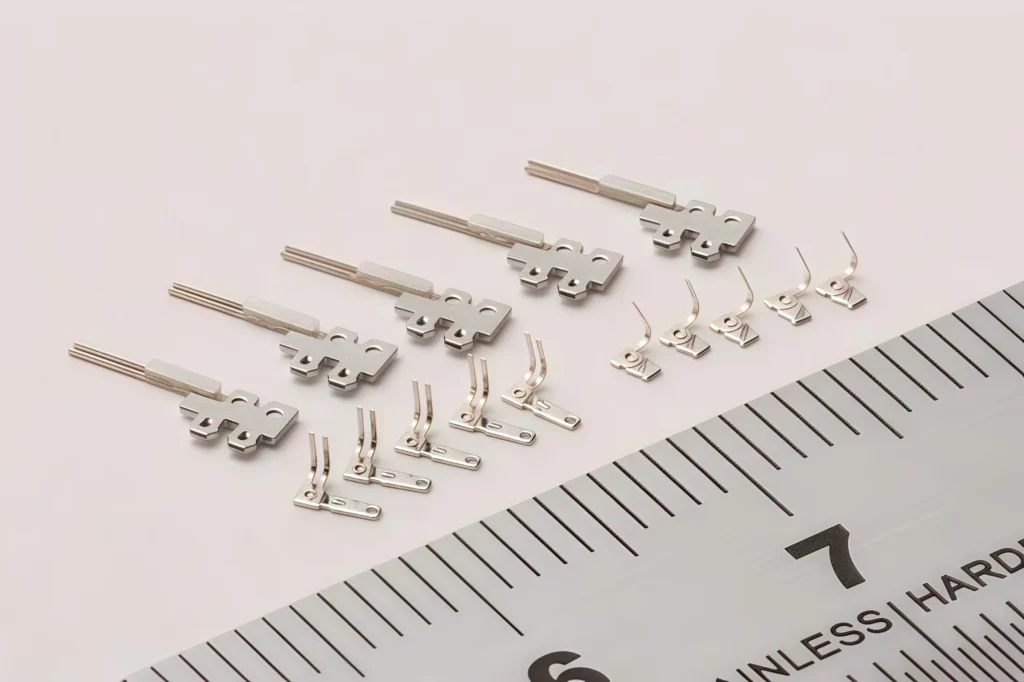
1. Global Metal Stamping Industry: Market Trends and Growth Drivers
The consistent development of the worldwide metal stamping industry depends a lot on fast progress in material science, automation of press machines, and changing manufacturing priorities in different regions.
Electrification and Lightweighting in the Automotive Industry
Original Equipment Manufacturers are using the opportunity to replace heavy steel with high-strength steel (AHSS) and aluminum alloy in their vehicle designs. The use of such materials leads to the need to use presses that are able to work with more than 1,500 MPa of tensile strength without increasing the mass.
Introduction of Automated Direct-Drive Servo Press Lines
Nowadays, modern stamping facilities are replacing their conventional mechanical presses with programmable presses that give operators the opportunity to keep tolerances within ±0.01 mm and to reduce the rate of scrap.
Miniaturization in Electronics Manufacturing
Given the increasing sizes of sensors, PCB assemblies, and other components, the precision metal stamping industry will require fast progressive dies in order to meet its needs. The continuous metal stamping using the reel-to-reel technique is done at a rate exceeding 1,000 strokes per minute.
Nearshoring and Localization of Supply Chain
The new paradigm in international logistics compels companies to seek out local precision stamping service providers who are able to offer quick prototyping, DFM analysis, and manufacturing services.
2. Major Metal Stamping Industry Uses in Various Important Global Industries
Custom metal forming is sought after in five different key global manufacturing industries.
| Industry Sector | Est. Global Demand Share | Primary Stamped Components |
| Automotive & Transportation | ~42% | Chassis parts, body-in-white panels, battery trays |
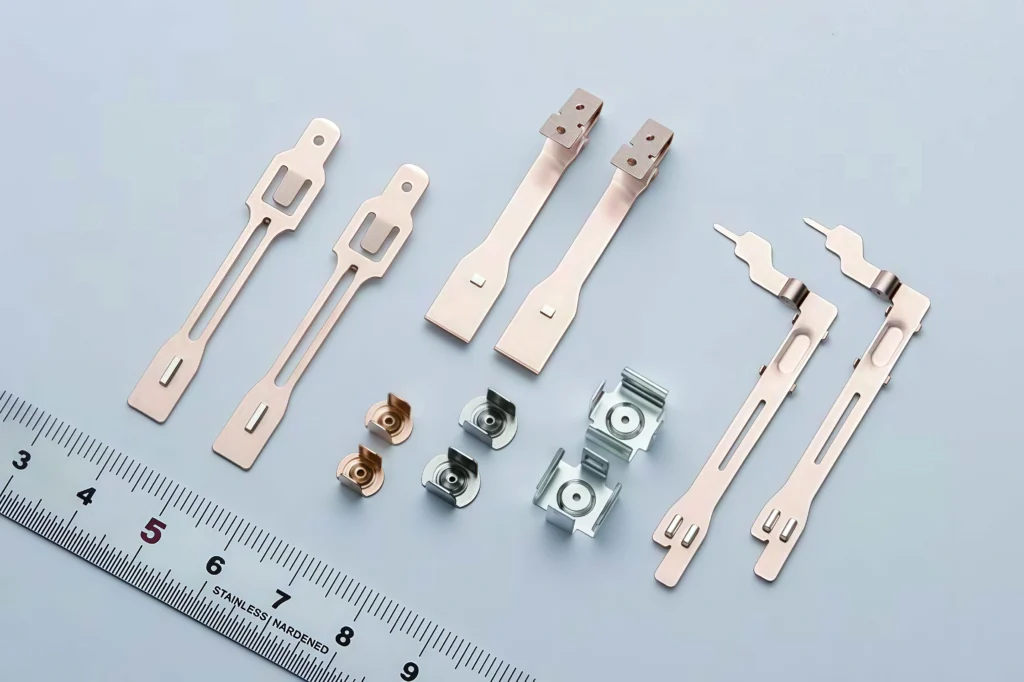
| Consumer Electronics & Electrical Equipment | ~19% | EMI protection components, wiring terminals, spring contacts, connection terminals |
| Industrial & Heavy Equipment | ~14% | Cabinet enclosures, mounting brackets, valve components |
| Aerospace & Defense | ~10% | Structural ribs, engine nacelle cowlings, duct clamps |
| Medical Device Manufacturing | ~7% | Surgical tool jaws, diagnostic housings, implant shells |
2.1 Automotive Manufacturing
The automobile industry is the largest end-user application of the metal stamping industry globally, accounting for over 40% of all metal stamping products. There are thousands of parts made through stamping in an ordinary car, such as body-in-white (BIW) panels, engine mounting brackets, and enclosures for batteries in electric vehicles. The strict safety regulations require absolute repeatability in each batch.
2.2 Consumer Electronics and Electrical Equipment
Consumer electronics and electrical devices are the second-largest end-use industries in the metal stamping industry. The high density of electronic devices requires precise products such as surface-mount EMI/RFI shield cans, battery terminals, customized spring clips, and terminal connectors, which are made from phosphor bronze, brass, or stainless steel strips.
2.3 Industrial Machinery and Factory Automation
Heavy machinery, heating, ventilating, and air conditioning systems, and production line machines are some of the heavy-duty applications that consume high-tonnage parts in the metal stamping industry. High-tonnage presses are used in stamping heavy-duty parts such as mounting brackets, control cabinets, pump housings, and washers that resist mechanical stress and wear.
2.4 Aerospace and Defense
Aerospace metal stamping operations should conform to the required standards set out by AS9100 and ISO 9001. Metal stampers use difficult-to-control, heat-resistant materials such as titanium, Inconel, and aerospace aluminum for producing fuselage ribs, duct clamps, and engine nacelle brackets that can withstand heat and vibration.
2.5 Medical Devices Manufacturing
Manufacturing of medical devices is recognized as one of the fast-growing niche segments in the metal stamping market. Metal stampers work under cleanroom conditions on biocompatible materials such as 316L stainless steel and titanium to produce parts for surgical staplers, housings for diagnostic equipment, implantable casings, and microfluidic clips.
3. Technical Comparison of Primary Metal Stamping Operations
The choice of a particular metalworking process depends on part design, production quantity per year, and financial limitations:
Stamping Progressive Dies
Several operations such as punching, bending, and coining are carried out in one die. Best choice for applications in automotive terminals, electrical spring clips, and brackets needing fast production.
Stamping Deep Draw
Forms seamless cylinders and boxes, where the depth of the component is more than the diameter, such as engine housing, solenoid cover, and battery cup.
Transfer Die Stamping
Transfers individual large blanks through separate die operations with mechanical transfer mechanisms. Suitable for large brackets and automotive chassis requiring parts not to be tied to a metal strip.
4. Conclusion
The metal stamping industry plays a vital role in the manufacturing process due to the demand coming from the automobile sector, consumer electronics, machinery, aerospace, and medical devices industries. The mentioned industries require advanced materials, progressive dies, deep drawing, and transfer stamping processes to develop components with a tolerance of up to ±0.01 mm. In order to decrease scrap rate, increase efficiency, and achieve consistent results, it is necessary to pay attention to materials, dies, and DFM. HSK Precision offers precise metal stamping parts, spring clips, conductive terminal connectors, and brackets. If you require prototype or mass production metal parts, HSK Precision will help you to create your own metal stamping product. Please contact our engineers for more details and get a fast quote.