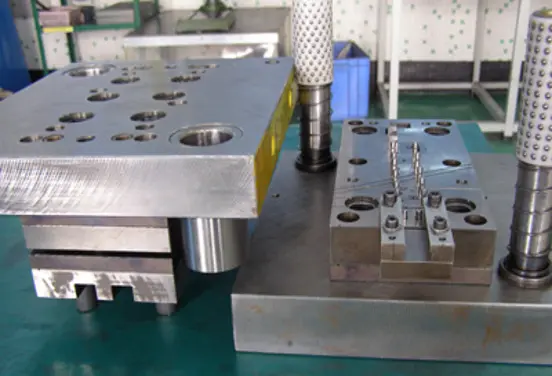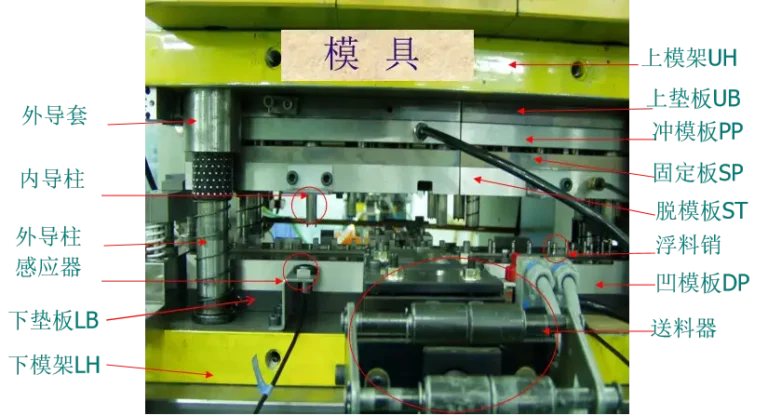


Custom Prototyping helps to make physical models of products for validation, testing, and preparation for production. It allows engineers to avoid going straight into manufacturing, detect structural problems, test the material, and correct the size of the model. Each of the approaches has its own advantages in terms of accuracy, cost, time required, and the materials used. It will help the manufacturer to choose the right technique.
1. What Is Custom Prototyping?
Custom Prototyping enables manufacturers to build an initial sample based on specific design details, technical documentation, and performance expectations. Depending on the situation, the prototype will reflect the appearance, functionality, or the same material characteristics of the final product.
The Purpose of Custom Prototyping in Product Development
The main purpose is to identify all design problems before going into the production process. Using the prototype, the engineers can test dimensions, assembly, ergonomics, and parts compatibility on the physical model and not the digital one. The purposes may include:
- Design evaluation: Examine dimensions, form, surface texture, and general aesthetics.
- Function evaluation: Evaluate movement, ability to carry loads, and physical interactions.
- Material evaluation: Compare strength, flexibility, heat resistance, and chemical resistance.
- Production preparation: Evaluate machining problems, assembly problems, and production difficulties.
For example, when a company develops a mechanical enclosure, two or three models are made so that they can compare the wall thickness and hole locations before making the final decision.
2. What Are the Main Types of Custom Prototyping?
There are various Custom Prototyping processes for different materials, geometries, and test needs. The following are the five most common types of Custom Prototyping.
1. 3D Printing Prototypes
3D printing involves layer-by-layer production of components based on digital representations of objects. The most widespread techniques are fused deposition modeling (FDM), stereolithography (SLA), and selective laser sintering (SLS). FDM is recommended for cost-effective prototypes, SLA creates detailed components with high surface quality,y and SLS allows creating more intricate geometries of polymers without any traditional support structures.
Pros of the process include:
- Minimal tools required and shorter set-up times;
- Possibility to create complex shapes and internal channels;
- Easy design changes without creation of molds.
Depending on the technique used and component geometry, prototypes may be obtained within a few hours up to a few days. Nevertheless, layers’ orientation, surface quality, and properties of the materials used may differ from the properties of traditionally created components. For this reason, engineers need to verify if the prototype is suitable for strength and heat resistance testing.
2. CNC Machining Prototypes
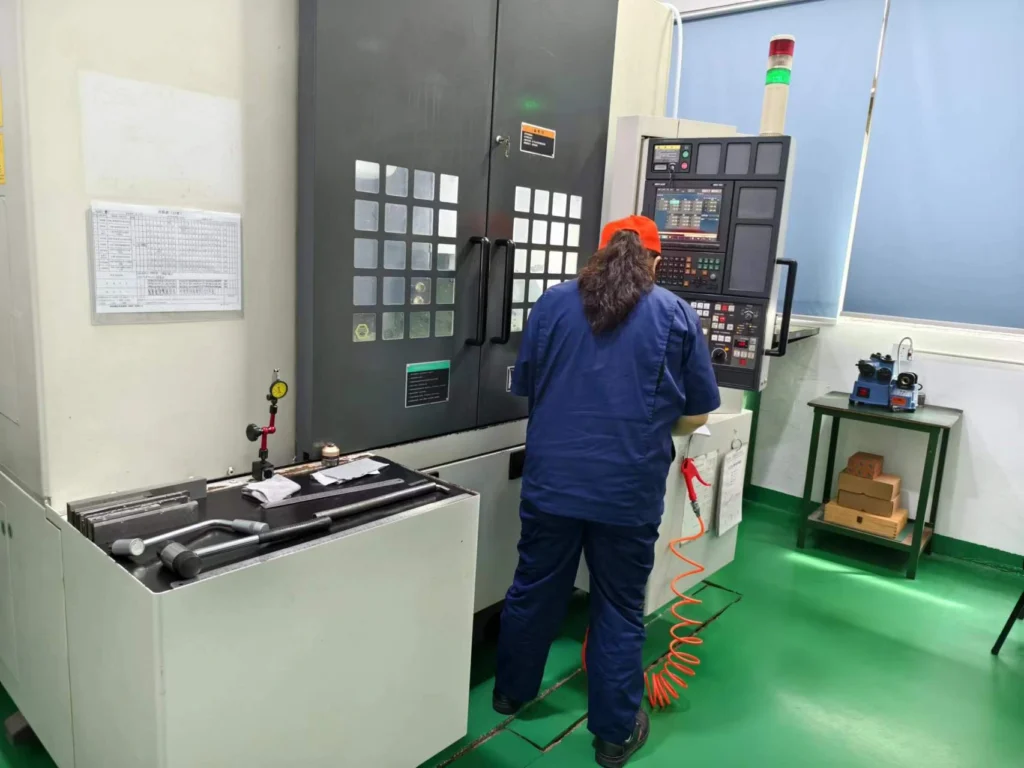
The process of CNC machining involves the removal of material from metals or plastics through computer-controlled cutters. CNC machining comes in handy when there is a need for prototypes that should have the same characteristics as the chosen production materials. Commonly used materials in CNC machining include aluminum, stainless steel, brass, and POM and PEEK plastics.
Some of its advantages include:
- Precise dimensional tolerances for appropriate geometries and machining conditions.
- Use of production-relevant materials directly.
- Excellent surface finishes and good repeatability.
Some precision-machined components may have tolerances of ±0.01–0.05 mm. The performance will depend on various factors including material used, the geometry of the component, machining capacity, and inspection requirements. Compared to 3D printing, CNC machining may lead to more material wastage and time required to prepare complicated components. However, CNC machining remains superior for testing metal components, threads, mating surfaces, and load-bearing parts.
3. Injection Molding Prototypes
Injection molding is a process whereby the molten thermoplastic material is forced into the mold cavity, cooling and forming the material into the desired shape. Prototype tooling enables companies to test their molded parts before producing them in high-volume tooling.
Its main advantages are:
- The evaluation of actual material and finish of molded parts.
- The determination of shrinkage, warpage, and part ejection.
- Verification of fitting and dimensions.
Prototype tooling might take between several days and several weeks, depending on its complexity and the capabilities of the supplier. Though the process might be slower and more costly than 3D printing, prototypes made by injection molding are more accurate representations when the product is to be injection molded as well.
4. Sheet Metal Prototypes
Sheet metal prototyping employs techniques like laser cutting, punching, bending, and welding to fabricate parts out of flat metal sheets. Sheet metal prototyping is extensively utilized for brackets, equipment panels, electrical enclosures, and structural covers. The material thickness typically lies between 0.5 mm and 3 mm in many cases of enclosures, but actual requirements may vary significantly depending on the product.
The process helps engineers evaluate:
- Determining the location of holes, bend angles, and mounting dimensions.
- Studying panel rigidity and structural strength.
- Testing assembly feasibility, fastener locations, and enclosure fitment.
For instance, an electrical enclosure prototype can be assembled with the desired mounting mechanism to test for cable and component clearance. Testing might help find the need for modifications of bends or mounting features before mass manufacturing.
5. Silicone and Urethane Casting Prototypes
Silicone molding and urethane casting become relevant when the manufacturer requires several prototypes without having to use injection molding tools for mass production. First of all, the master pattern is employed to make the silicone mold, which is then filled with the desired resin. Such technology allows for producing different shapes and has various options regarding surfaces, colors, and materials chosen.
They are particularly suitable for:
- Low-volume appearance models and presentation samples.
- Complex housings and parts with undercuts.
- For material evaluation, when a certain flexibility or rigidity is needed.
The silicone mold might produce approximately 10–30 castings in some cases, but it depends on many factors, including geometry, resin chemistry, and handling. It should be noted that the cast urethane shouldn’t be considered automatically the same material as production thermoplastics.
3. What Are the Common Applications of Custom Prototyping?
Custom Prototyping is used for developing products in several industries. The technique that would work best depends on the operational conditions of the part, its materials, and the purposes of testing.
Consumer Electronics and Household Products
Electronics companies make prototypes so that they can establish the size of the housing, button locations, ventilation possibilities, and suitability for assembly. For instance, it would be important to make a printed model of the housing to carry out an ergonomic evaluation, and it could be necessary to do the same with a machined model.
Automotive and Industrial Components
It is important to note that automotive and industrial parts often have specific criteria in terms of their shape, mechanical properties, resistance to changes in temperature, and vibrations. Custom prototyping allows analysis of these requirements.
Metals used in the creation of brackets and interfaces can be produced using CNC machining, while sheet metal fabrication will be used for equipment covers and mounting hardware. Prototypes made using injection molding can be used to test clips, connectors, and plastic interiors. It is important to set criteria before tests can take place.
Medical Devices and Product Enclosures
The creation of medical devices necessitates the use of accurate components and assembly. Custom Prototyping will assist engineers in evaluating fit, structure, and any problems associated with component manufacturing before mass manufacturing.
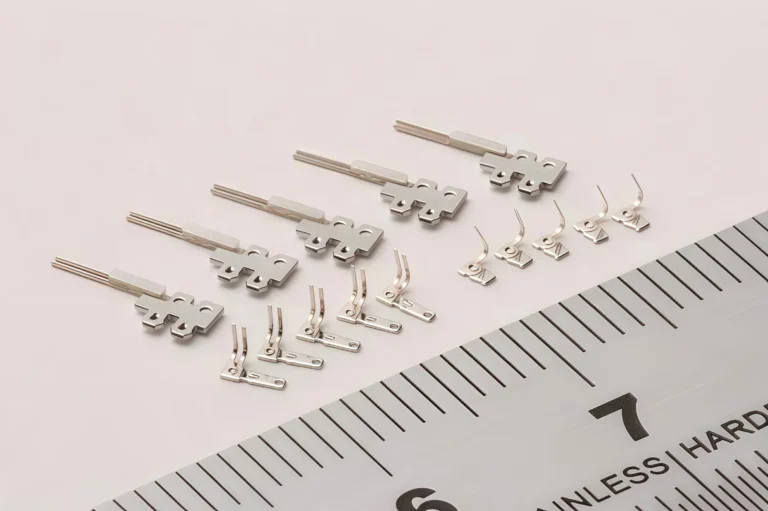
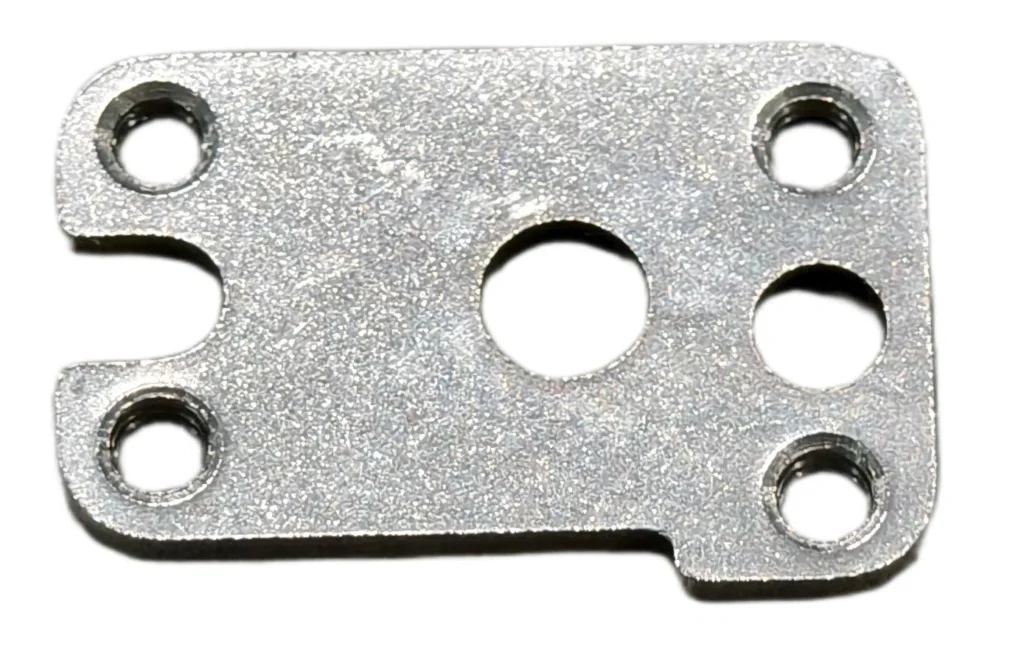
For manufacturers, sourcing small metal parts that meet specific dimensional and assembly requirements can be challenging. Hashimoto Precision’s custom medical equipment micro-stamping components are a suitable choice for projects requiring customized metal parts, helping engineers evaluate component fit and assembly compatibility during prototype development.
4. Conclusion
The Custom Prototyping services include 3D Printing, CNC Machining, Injection Molding, Sheet Metal Fabrication, and Silicone/Urethane Casting. Each of the processes provides benefits differently depending on material, precision, time, and costs involved. It will all depend on the product being developed and production quantity.
If you need assistance in determining the right custom prototyping approach for your product, then feel free to contact Hashimoto Precision. Our team will assist you in determining the right approach to your product development.