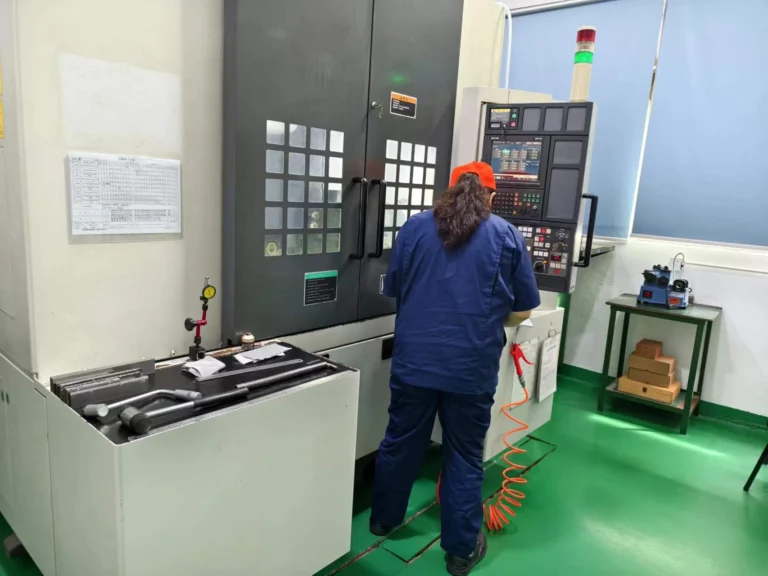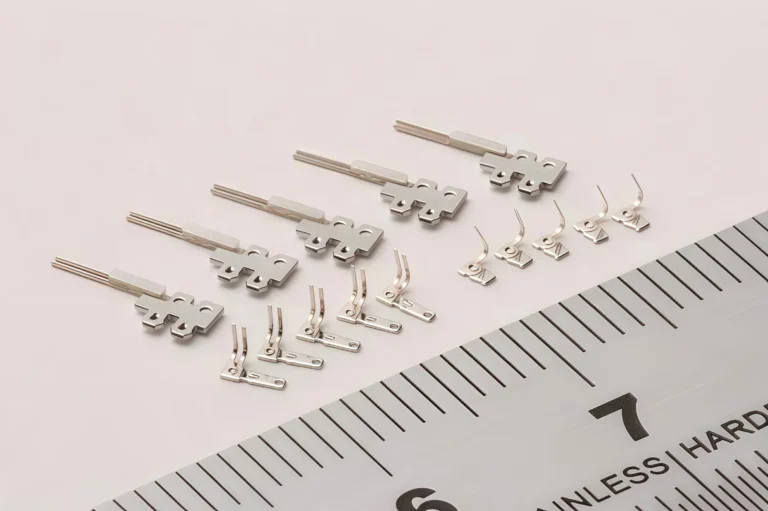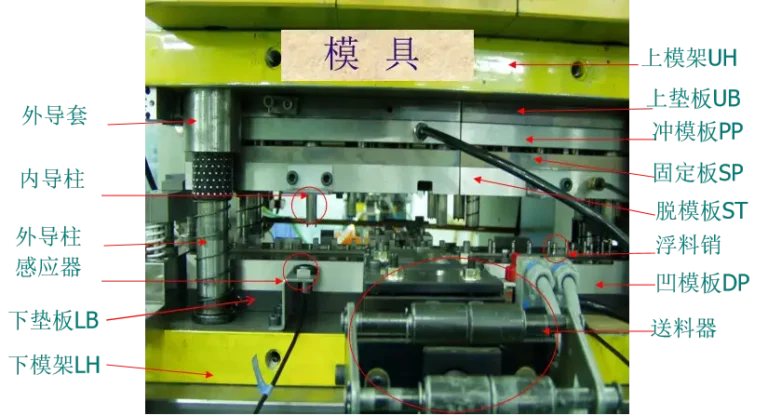


The price of precision parts goes beyond their material cost and processing time. Other factors include the part’s design, tolerances, order quantities, and the necessity of part checking. These factors enable one to forecast and estimate the costs properly. For Precision Parts Manufacturing, even small variations in the design specification impact the cost of production. This means that careful planning is necessary to reach the right cost/quality balance in precision production.
1. What Is Precision Parts Manufacturing?
Precision Parts Manufacturing is the manufacturing of components with accurately controlled dimensions, geometrical shapes, and surface properties. Techniques involved in precision production include CNC milling, CNC turning, grinding, drilling, and many others. Compared with traditional machining, precision machining mainly focuses on the accuracy and consistency of component dimensions. Depending on the application, the component tolerances should be as low as ±0.01 mm.
Typical applications include:
- Medical devices: Surgical tools, medical equipment parts, and small metal parts.
- Automotive parts: Engine parts, transmission parts, and precision connections.
- Aerospace hardware: Aerospace fasteners, precision housing, and mechanical assemblies.
- Machine parts: Shafts, gears, brackets, and custom machine parts.
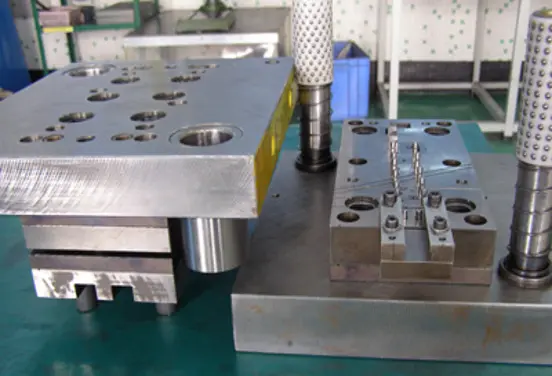
2. 7 Key Factors That Affect Precision Parts Manufacturing Costs
Several interrelated issues influence precision parts manufacturing quotes. Understanding these issues helps you assess manufacturing quotes and avoid unnecessary costs.
1. Material Selection and Raw Material Costs
Material selection is one of the first factors influencing manufacturing costs. Metals vary in price, machinability, strength, and corrosion resistance. Popular materials are:
| Material | Main Characteristics | Typical Applications |
| Aluminum 6061 | Lightweight, good machinability | Housings, brackets |
| Stainless Steel 304 | Corrosion resistance, durability | Medical and industrial components |
| Stainless Steel 316 | Enhanced corrosion resistance | Chemical and medical equipment |
| Brass | Good machinability and conductivity | Connectors, fittings |
| Titanium | High strength-to-weight ratio | Aerospace and medical parts |
Harder materials like titanium and some grades of stainless steel often need higher cutting force and special tools. In addition, processing may take more time and require more frequent tool replacement. Selecting materials based on actual operating conditions helps Precision Parts Manufacturing keep costs low.
2. Part Design and Geometric Complexity
Component geometry affects machining complexity. Components with deep cavities, thin walls, complex geometries, and many angles will need additional steps and specialized jigs. Hence, a simple cylindrical component may be made using CNC turning; a housing having many holes and pockets, on the other hand, needs multi-axis milling. Certain design aspects increase the cost of production:
- Deep pockets: Longer cutting tools may be needed and could increase vibration levels.
- Thinness: May necessitate special machining processes to avoid any deformation.
- Complex shapes: Could call for 4-axis or 5-axis CNC machining.
- Small internal features: Special tooling could be required.
Precision Parts Manufacturing can be simplified and production time reduced by designing components with machining-friendly geometries and fewer unnecessary design features.
3. Machining Processes and Equipment Requirements
Different types of machining processes have differences in terms of operating costs, machines needed, and the amount of product produced within a certain period of time. CNC turning is best for producing cylindrical geometries, whereas CNC milling is best for producing flat surfaces and grooves. For any operation that requires strict tolerances and surface finish, grinding is preferred.
The choice of the machine also affects the cost of the machining process. For example, a 5-axis CNC machine can machine multiple sides with fewer setups. Nevertheless, the cost associated with programming, tooling, and machine hours will be higher compared to the 3-axis machine.
4. Tolerances and Surface Finish Requirements
Close tolerances lead to increased costs due to greater machining precision, extra measurements, and more rigorous production process management. For instance:
| Requirement | Typical Specification | Cost Consideration |
| General machining | ±0.10 mm | Standard machining controls |
| Precision machining | ±0.05 mm | More careful dimensional control |
| High-precision machining | ±0.01 mm | Additional process control and inspection |
| Fine surface finish | Ra 0.8 μm | May require finishing operations |
Surface finish is measured by Ra (arithmetic mean roughness). The smaller the value of Ra, the finer the surface finish that can be achieved through grinding, polishing, and many other processes. But this does not apply to all dimensions that need to be achieved. Applying these tight tolerances to dimensions that are significant from a functional perspective will assist in controlling Precision Parts Manufacturing costs without compromising the accuracy of assembly of parts.
5. Order Quantity and Production Volume
The production volume influences how manufacturing costs are split among individual parts. Low-volume manufacturing tends to generate higher costs per part due to the distribution of such costs as programming, setup, tooling, and inspection among a smaller number of units. For example:
| Cost Item | 50 Pieces | 500 Pieces |
| Setup Cost | $500 | $500 |
| Machining Cost per Part | $30 | $24 |
| Total Production Cost | $2,000 | $12,500 |
| Unit Cost | $40 | $25 |
These are just examples and not quotes from suppliers. This shows how higher production volumes reduce setup costs per unit, but the material ordering process and manufacturing capacity need to be considered as well. Purchasing divisions planning to work with Precision Parts Manufacturing will be able to optimize their purchases with annual demand projections and order consolidation capabilities.
6. Quality Inspection and Certification Requirements
Quality control comes into play where there are very stringent dimensions and functional needs of the parts. Inspection needs influence the labor time, use of machines, documentation, and scheduling. Inspection needs include the following:
- Coordinate Measuring Machine (CMM): Used for measuring complex geometry and dimensions.
- Optical Metrology: Used for measuring small features without contact with the parts.
- Surface Roughness Measurement: Measurement of surface roughness in Ra terms.
- Hardness Measurement: Assurance of the right hardness and heat treatment of materials.
There may be other requirements like material certificates, inspection certificates, and traceability records, which might increase the costs. In Precision Parts Manufacturing, the extent of inspection depends upon the criticality of the parts.
7. Lead Time and Delivery Requirements
Urgent orders can cause high manufacturing costs because of overtime work, use of the machine on priority, fast material sourcing, and fast shipping. Urgent manufacturing might require 5-10 business days, compared to 15-20 business days required for regular manufacturing, depending on the part complexity and material sourcing.
The design approval and forecast are important elements to be considered by the manufacturer to develop an efficient production schedule. Buyers have to know if the lead time includes sourcing of the material, machining, testing, and shipping of the material.
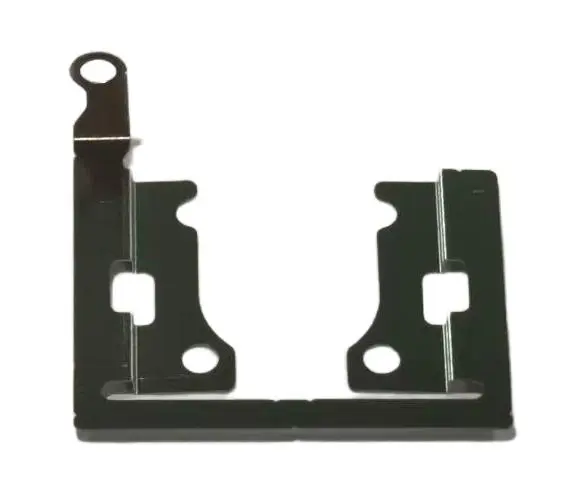
3. How to Reduce Precision Parts Manufacturing Costs Without Sacrificing Quality
Cost reduction in Precision Parts Manufacturing is not always associated with the choice of cheap materials or low-quality manufacturing.
Optimize Part Design Before Production
Review the engineering drawings before machining. If possible, change unnecessary close tolerances, complex geometries, and holes. These changes will reduce the number of tool changes, machining operations, and inspections.
Choose Materials Based on Actual Application Needs
The material should be selected based on its mechanical properties, corrosiveness, temperature limitations, and machinability. Aluminum 6061 can be used for light-duty applications without the need for the strength of stainless steel.
Match Manufacturing Processes to Part Requirements
Choose between CNC turning, CNC milling, CNC grinding, and CNC multi-axis machining based on the shape of the parts and their tolerances. No need to use high-cost machining processes when cheap machinery can do the work.
Plan Order Quantities and Production Schedules
Supply manufacturers with accurate demand forecasts and combine repeat orders where possible. Adequate manufacturing time will also help to avoid additional processing and shipment charges.
Conclusion
Several factors determine the cost of manufacturing precision parts, including materials, degree of design complexity, machining, tolerances, order volume, inspection, and schedule of delivery. It is important to consider all those factors to make the correct decision while purchasing the products.
The Manufacturing of Precision Parts is an amalgamation of engineering, machining, and cost aspects. If you need some help with analysis of your part design and/or machining requirements, please feel free to contact Hashimoto Precision.