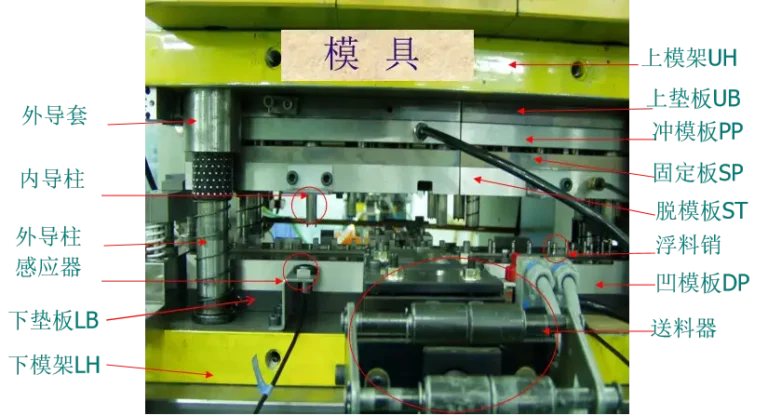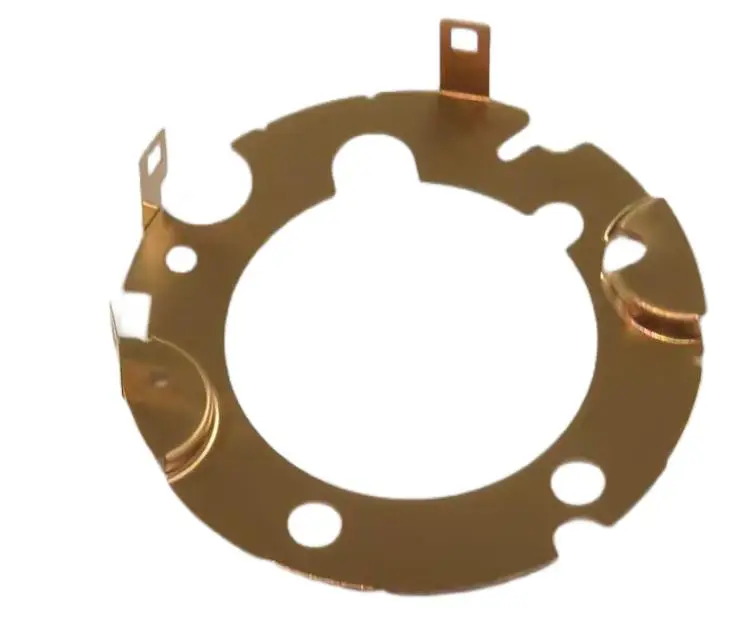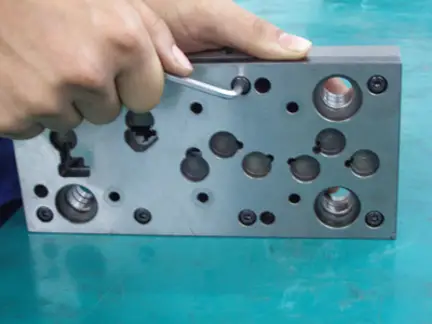


Brackets may look like simple metal components, but their dimensions, strength, and mounting method can have a direct impact on the performance of an entire assembly. In machinery, automotive components, electronics, and industrial equipment, standard brackets do not always fit the available space or meet specific load requirements. Bracket fabrication allows manufacturers to produce parts according to drawings, installation conditions, and functional requirements. This makes custom brackets a practical choice when a project requires accurate fitting, reliable support, or consistent production.
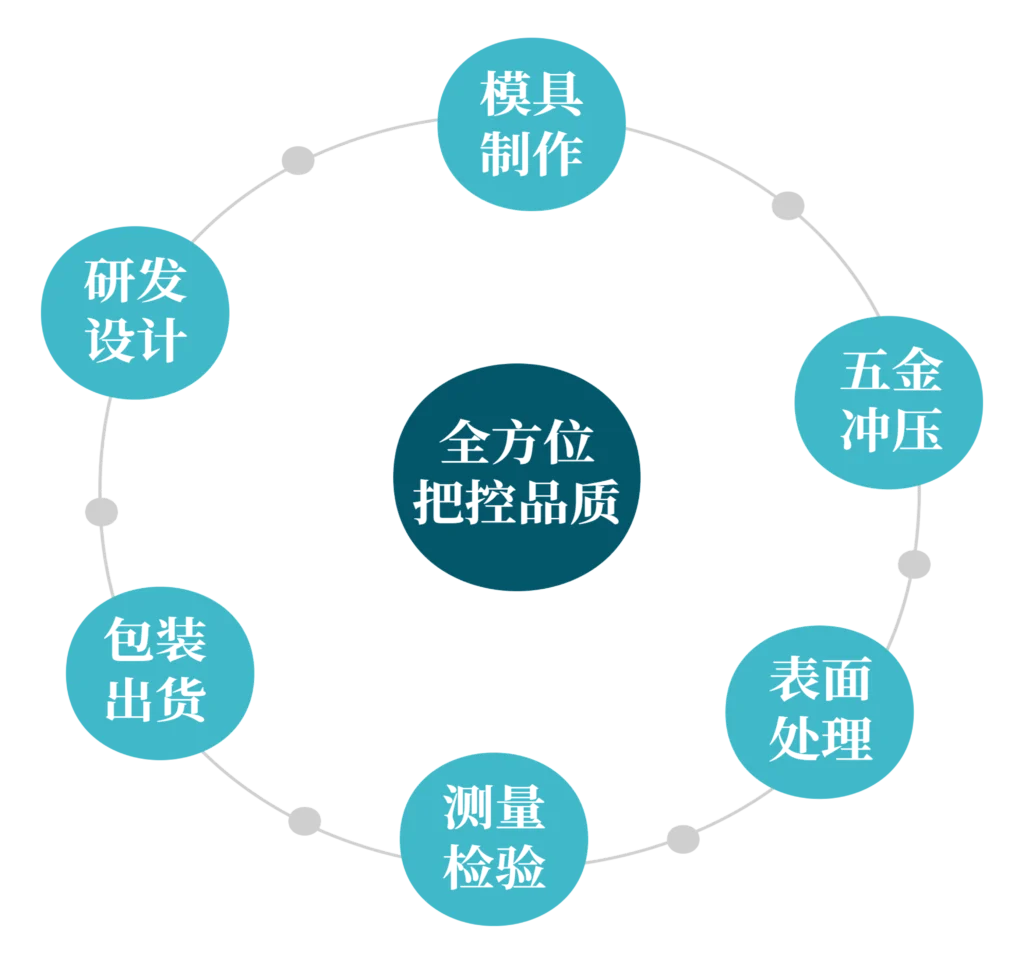
1. More Flexible Designs with Bracket Fabrication
The dimensions of conventional brackets are usually fixed in terms of size, shape, and the pattern of holes. Custom-made brackets provide engineers with more room to experiment with various aspects such as length, width, thickness, bending angles, diameter of holes, and mounting points.
This becomes especially important when dealing with the lack of installation space or a peculiar configuration of the device. Instead of changing other elements to fit a regular bracket, engineers may create a custom bracket that would correspond to the current design of the assembly.
Custom Dimensions Ensure the Optimal Fitting of the Components
Even a few millimeters’ difference can sometimes affect assembly. In this regard, a bracket designed for a motor, sensor, or a control element should have properly located mounting holes. Defining critical dimensions and tolerances during the bracket fabrication stage helps improve compatibility between connected components.
2. Better Structural Performance with Bracket Fabrication
Customized brackets can be developed based on the actual load and conditions of use. A bracket that is thick is not necessarily better than a bracket that is thin. Strength, weight, amount of material used, and manufacturing are issues that must be considered in the design.
Some engineers will tweak things such as material thickness, bends, and reinforcements to increase performance. In some cases, things such as static loads, vibration, impact, and safety factors have to be taken into account before approval of the final design.
Material and Thickness Can Fit the Load
For lightweight electronic devices, aluminum brackets will do fine, whereas for components that experience vibrations and mechanical loading, steel or stainless steel brackets would be more appropriate. The right materials should be used depending on the environmental conditions and not just on the product’s weight.
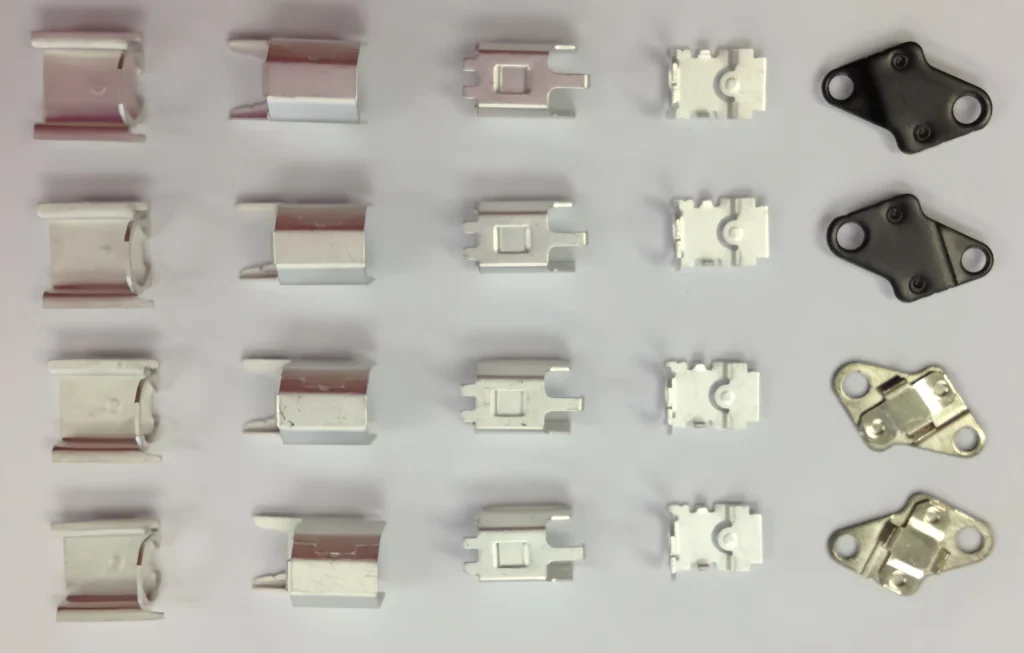
A practical example is the HSK-SUS304 Metal Motor Bracket that uses SUS304 stainless steel and is produced through a metal stamping process. According to the manufacturer’s product information, it is designed to provide lightweight construction, high strength, good rigidity, and consistent dimensions. Its production process also includes stamping, inspection, and packaging.
- Material: SUS304 stainless steel
- Process: Metal stamping
- Key characteristics: Lightweight, strong, rigid, and dimensionally consistent
- Quality control: Inspection is included in the production process
3. Easier Installation with Custom Brackets
In cases where the bracket has been made keeping in mind the equipment from the start, installing it will become much easier. Fabrication of brackets allows the determination of the holes for mounting, the size of the connection, and structural angles before the actual fabrication process begins.
This point is especially relevant when it comes to the repetition of the same task many times. In case a piece of equipment needs 20 similar brackets and each one of them requires extra time because of poor fit, that might add up to a considerable amount of time.
Consistent dimensions are also valuable when several components need to be installed in the same position. Once the bracket design has been verified, the same specifications can be applied to subsequent parts, making the assembly process easier to control.
4. Greater Production Flexibility in Bracket Fabrication
Custom manufacturing does not have to stop at the completed product stage. It can even contribute to the preliminary stages of product development. In such a case, a company will manufacture a certain number of prototypes initially, test their performance, and adjust the design later, proceeding to full-scale production.
From Prototype to Batch Production
For instance, 10–50 prototype brackets can yield valuable information about mounting clearances, structural characteristics, and assembly. If any problems are found, the drawing can be adjusted prior to ordering a bulk purchase.
The same bracket fabrication procedure can be used for batch production when the design is finalized. The material specifications, tooling requirements, dimensions, and inspection criteria can be standardized to ensure more uniform output.
This solution works well for companies that make several design adjustments before releasing their final product. It helps the bracket develop along with the equipment instead of having the product dependent on a single standard part.
5. Better Long-Term Value with Bracket Fabrication
The value of a custom bracket should not be judged only by its initial unit price. A standard part may appear cheaper, but poor dimensional compatibility can lead to additional drilling, cutting, labor, or rework. For this reason, bracket fabrication is often better evaluated according to the total project cost.
Less Waste and Fewer Modifications
A well-planned bracket can use material more efficiently while reducing unnecessary modifications during installation. Accurate dimensions can also help prevent problems caused by loose connections, misalignment, or repeated adjustments.
For long-term equipment use, structural stability matters as well. A bracket that is properly matched to its application may reduce maintenance caused by deformation, loosened connections, or installation-related issues.
When comparing fabrication options, manufacturers should therefore consider several factors:
| Factor | Why It Matters |
| Material | Determines strength, weight, and corrosion resistance |
| Thickness | Influences load capacity and rigidity |
| Tolerance | Affects assembly accuracy |
| Production volume | Influences tooling and manufacturing methods |
| Surface finish | Helps protect the bracket in demanding environments |
| Design complexity | Affects processing time and production cost |
Conclusion
The fabrication of brackets is not just a means of creating brackets that do not have standard dimensions. Custom fabrication provides greater control over the design process, structure, installation, and manufacturing specifications of the bracket. With the selection of the right materials, dimensions, tolerances, and manufacturing processes, it becomes possible to develop the bracket based on the needs of the equipment and not from the standard sizes.
In case of unusual dimensions, load requirements, installation space limitations, or manufacturing conditions, custom fabrication may become a better solution for your project. If you have any questions related to bracket manufacturing, its materials, manufacturing processes, or any other custom requirements, please contact HSK Precision. We can review your project and suggest a suitable bracket fabrication solution.